Standard Flange Supply
Suitable for buyers starting from established flange families and standard project demand.

Shanxi Baolongda Forging Co., Ltd.
This page is built as a reusable product-detail template. It turns the brochure material into a buyer-facing format that explains flange scope, technical-fit logic, inspection expectations and the best starting point for a serious RFQ.
The message here is intentionally practical: standard and project flanges, drawing-led scope, inspection expectations, and a clear handoff to sales at fft@bldflanges.com.
Buyers rarely qualify a forged-flange supplier from one sentence. They want to know whether the supplier can speak standards, handle drawing deviations, support inspection routes and work inside a qualification-first process. This page is designed to answer that.
The brochure shows breadth. The website needs sharper product logic so a visitor can place their RFQ faster and understand where Baolongda is strongest.
Suitable for buyers starting from established flange families and standard project demand.
Useful for plant, pressure-containing and shutoff-related applications where documentation matters.
A stronger fit for project RFQs, special dimensions, or drawing-led sourcing discussions.
Best used when the buyer needs a supplier willing to review drawings, tolerances and approval conditions together.
| Area | Current Message on This Page | What We Should Add Later |
|---|---|---|
| Standards Route | ASME-related, EN / DIN-related, GOST-related and drawing-based flange directions. | Approved dimensional range, pressure classes and flange-type matrix. |
| Material Direction | Carbon steel, alloy steel, stainless steel, duplex stainless steel and nickel-alloy direction. | Representative grades, heat-treatment note and sample MTC-style proof points. |
| Supply Basis | Project-oriented supply, custom review, documentation-led communication and qualification support. | Finished-machining examples, face options, drilling options and packing examples. |
A focused product page converts better when it speaks to the right buyer behavior instead of trying to fit every possible procurement situation.
Need a supplier who can react to drawing packs, document routes, and technical clarification instead of only quoting list prices.
Need faster judgment on product scope, manufacturing credibility, and whether a sample or trial supply path is realistic.
Need certificates, process ownership and inspection language before they commit to a broader RFQ pipeline.
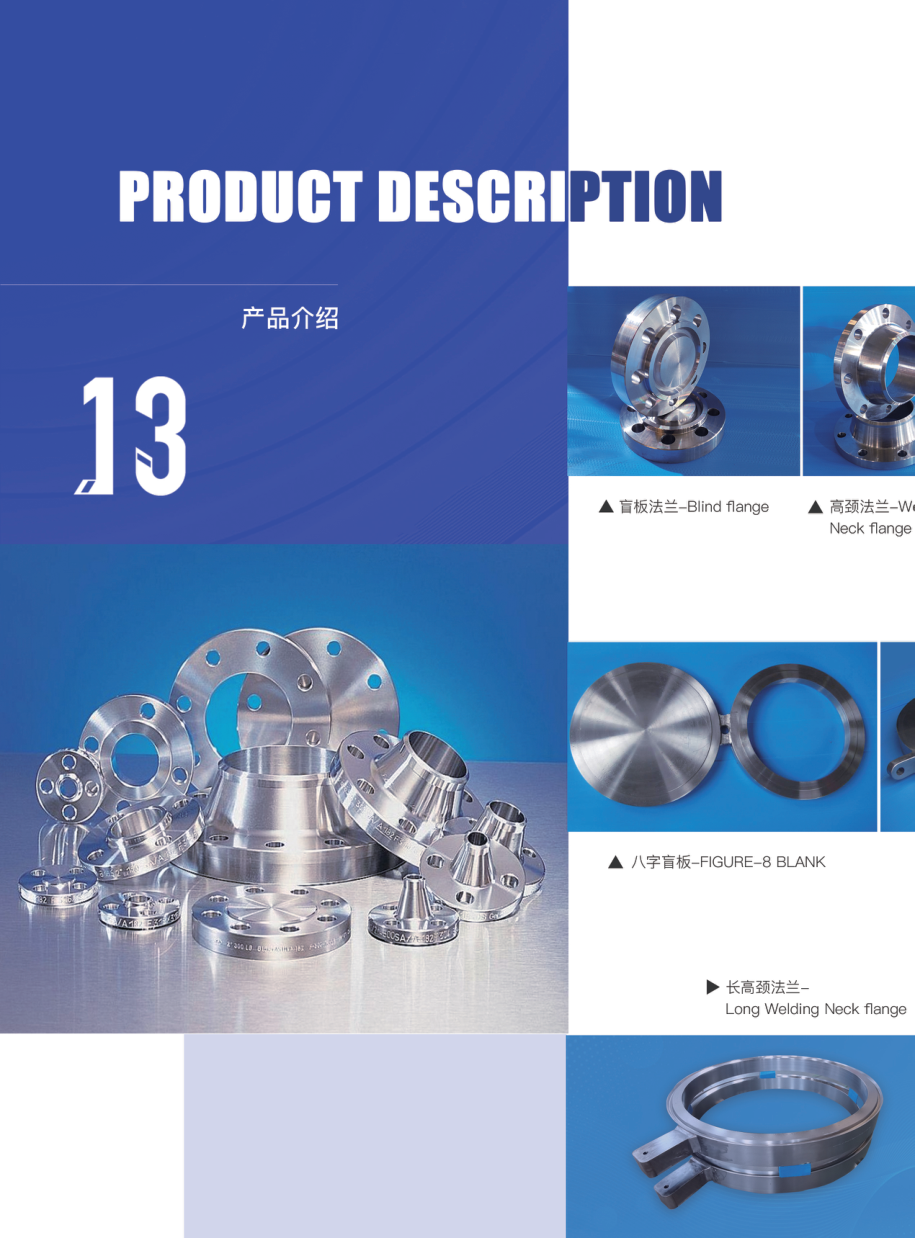
Useful for buyers who start from recognizable flange geometry and want fast scope confirmation.
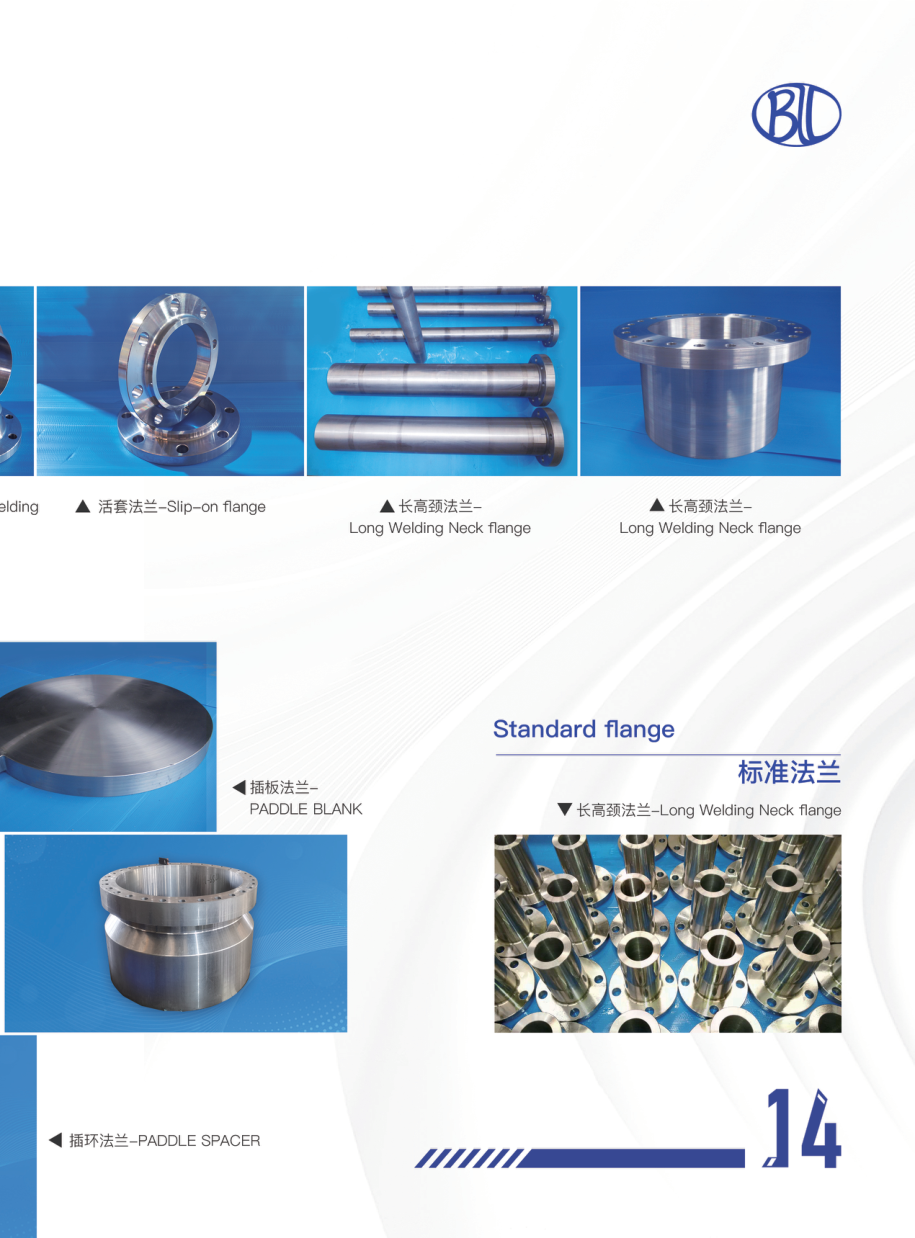
Supports long welding neck and modified configuration conversations before final product photos exist.
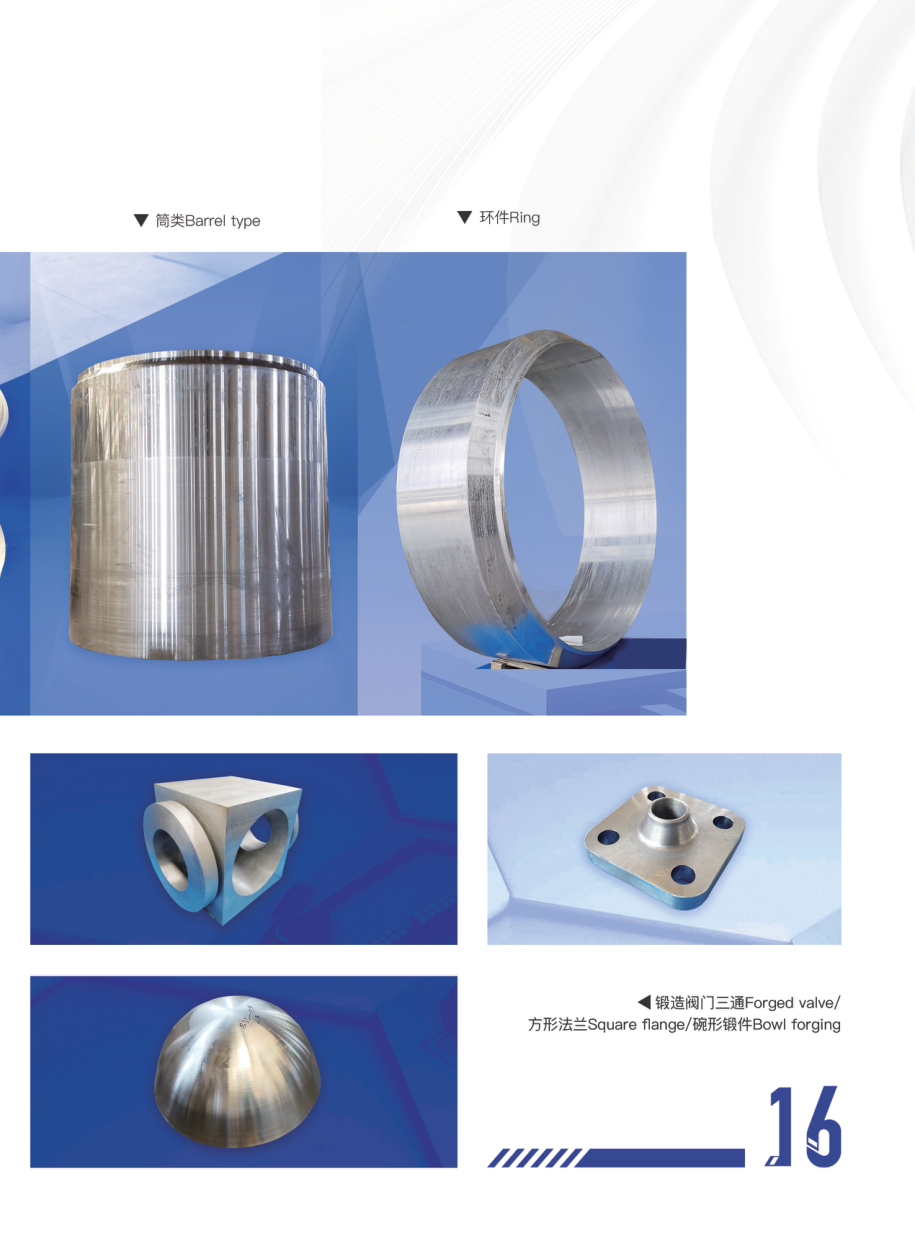
Helps keep the flange page connected to the broader forged-components capability rather than making it feel isolated.
Start from drawing, material route, standard path, quantity and any approval or deadline constraint.
Frame Baolongda as the manufacturing owner responsible for process and material handling.
Critical for project buyers who care about flange fit, tolerances and inspection-readiness.
UT, PT, MT, PMI, dimensional review and document direction can be aligned before shipment.
Yes. This page is intentionally written to support both standard flange supply and drawing-led project RFQs. That is one of the stronger positions visible in the existing company materials.
No. The current materials support carbon steel, alloy steel, stainless steel, duplex stainless steel and nickel-alloy direction. The final public page should later add the approved representative grade list.
Yes. That remains a strong early-conversion route because it reduces buyer risk and gives the sales process a lower-friction first step.
The best route is to use the RFQ form or prequalification pack request flow, and specify the project approval path and document expectation in the inquiry.
If the flange scope looks close to your requirement, send the drawing, material route, standard path, quantity and inspection direction. That gives sales and engineering enough context to review the request properly.
The product page now uses the confirmed sales mailbox instead of a placeholder contact line.
Use the structured RFQ page to gather technical inputs instead of relying on a generic contact form.
When supplier screening comes first, route the buyer to the qualification pack before the commercial RFQ discussion.